Wednesday, April 17, 2013
How far can your money take you?
We're all familiar with the ubiquitous MasterCard slogan: there's some things money can't buy, for everything else.... Those elusive things that money can't buy can indeed be those that don't entail payment or they can merely be those that are beyond your budget. Thankfully, we're here to help make sure that traffic calming and safer streets are not on your list of things money can't buy.
With a range of affordable options, budget-conscious solutions, and the benefit of saving lives every day, our radar signs and rubber solutions offer what you need at a price you can afford, for safer roads. While our products come with a competitive price tag, the lives you save with them are indeed priceless.
To learn which solutions are most cost-effective and how you can create safer streets within your budget, check out our April Traffic Calmer and learn how to protect your resident for the right price.
Friday, March 22, 2013
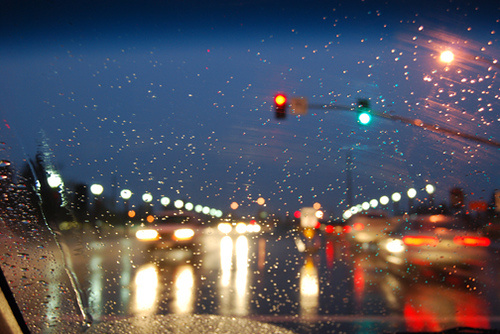
Be Careful, It's Raining! When Are You Most at Risk on the Roads?
We've all heard that refrain and variations of it dozens of times."Be careful driving, it's slippery out when it rains."
"The snow's coming down hard, stay alert out there."
"It's dark out, pay attention to the roads."
Of course, those statements are all true. When it's raining, snowing, sleeting, or dark out, you should certainly stay alert and drive slowly and carefully.
But what about when it's the middle of the day, it's dry out, and the sun is shining? No need to be cautious then, right?
Think again.
NHTSA statistics show that surprisingly, most accidents happen during the daylight hours in normal weather conditions. In 2010 (the most recent year with data available), there were nearly 15,000 road fatalities in daytime under normal weather conditions. In contrast, there were around 2,000 in the rain both during the day and night and around 750 in the snow including day and night hours.
Why is driving in perfectly bright weather conditions on roads that aren't slippery or wet dangerous?
Perhaps because people tend to let their guard down and assume they don't need to be particularly alert when there are no weather or lighting issues affecting the roads.It's during these hours that traffic calming is the most important. Speed trailers, radar signs, or flashing beacons are all effective in reminding drivers to focus on the roads, even when there is no apparent danger. Speed humps, tables, and cushions compel drivers to slow down and save lives in the process.
When everything seems fine and drivers forget to focus on the roads, traffic calming makes sure they drive safely. Radar signs or speed humps on your roads can help avoid accidents before they happen.
Wednesday, March 13, 2013
Traffic Calming, Flashing Beacons, and School Safety
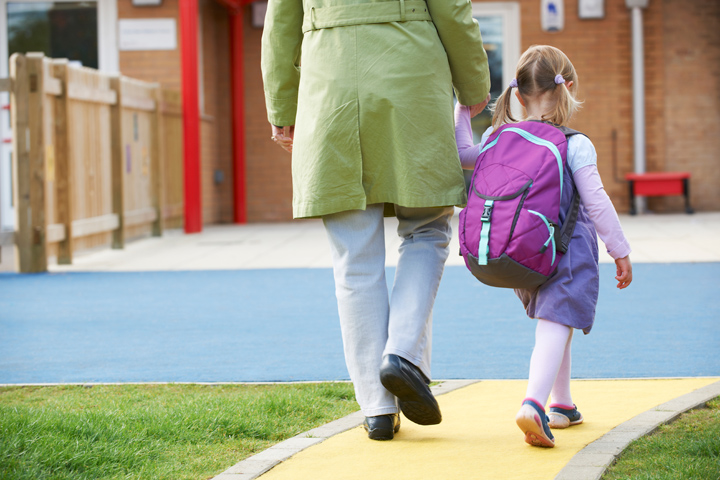
How safe are students when they arrive and leave school each day? Does your school zone have traffic calming in effect to protect children?
Flashing beacons alert drivers and have been shown to be effective in slowing cars down around schools. The Traffic Logix SafePace beacons are not the only solution we have to help you create safer streets. We've worked with schools across the country to tailor the solutions to fit their needs
Learn more about the safety risks students face each day and the solutions you can use to protect them in our March Traffic Calmer newsletter.
Thursday, February 14, 2013
A Trailer by Any Other Name
![]() |
| SafePace Cruiser LT shown with SafePace 800 rotating sign |
What sets the Traffic Logix SafePace Cruiser LT speed trailers apart? Well for one, as the photo on the left shows, the Cruiser LT includes a cool little feature that lets you rotate your sign either vertically or horizontally. But it doesn't end there. The Cruiser LT includes a whole host of features and options that make it the ideal accessory to help you use your speed signs more efficiently in slowing traffic down.
Where should you use your trailer?
Do speed trailers really work?
Learn the answers to these questions in our February newsletter, Product Spotlight: SafePace Cruiser LT Speed Trailers.
Wednesday, January 23, 2013
Can your car keep you and those around you safer on the roads?
Imagine a world where traffic crashes are a thing of the past and everyone is safe on the roads. Seems impossible, but Jesse Levinson, a research scientist at Stanford University, is working on making it a reality.
There are already a vast number of optical and radar sensors monitoring cars on roadways across the country. Levinson's pedestrian detection system helps alert drivers to imminent collisions with auditory, visual, and mechanical warnings, and if necessary, takes automatic action to prevent an accident.
New systems such as these are cropping up, making use of computer algorithms and taking advantage of the dropping costs of sensors. While completely autonomous vehicles for mainstream use are still a long way off, detection systems such as these leave the driver in control, but can take over when the driver fails.
Four car manufacturers have announced that they will offer models this year that allow the car to drive itself in speeds up to 37 mph. This past November the National Highway Traffic Safety Administration recommended that all cars be equipped with collision avoidance technologies. In two states, California and Nevada, it is even legal to operate a self-driving car.
Cars that drive on their own are still in the development stages but there are many computerized systems such as the one developed by Levinson that help people drive safer, park easier, and prevent accidents and injuries.
![]() |
| Jesse Levinson |
New systems such as these are cropping up, making use of computer algorithms and taking advantage of the dropping costs of sensors. While completely autonomous vehicles for mainstream use are still a long way off, detection systems such as these leave the driver in control, but can take over when the driver fails.
Four car manufacturers have announced that they will offer models this year that allow the car to drive itself in speeds up to 37 mph. This past November the National Highway Traffic Safety Administration recommended that all cars be equipped with collision avoidance technologies. In two states, California and Nevada, it is even legal to operate a self-driving car.
Cars that drive on their own are still in the development stages but there are many computerized systems such as the one developed by Levinson that help people drive safer, park easier, and prevent accidents and injuries.
Tuesday, January 15, 2013
Do you have a diet plan for your roads?
The new year has begun and people across the world have committed to healthier lifestyles. Now is the time to commit to healthier roadways too. Putting your road on a diet can do more than make you slimmer this year- it can save lives.Wondering what a road diet is? Road diets are tools used by traffic engineers as part of a traffic calming plan to make streets safer and prevent accidents. Learn more about what a road diet is, how you can slim your roadway down, and whether a road diet is right for you.
Not ready for a road diet? Healthy streets go beyond just diet- learn techniques for safer and more complete streets in our January Traffic Calmer.
Wednesday, December 19, 2012
Do you Plan to Stay Safe this Holiday Season?
Everybody plans on staying safe during the holiday season. But each year, too many people are hurt and killed during the holidays due to traffic accidents. Why are people more at risk during the holiday season? What can you do to avoid accidents and ensure that you protect yourself and your family? What can you do to ensure that the streets of your city are safer for everyone?Read our December newsletter and learn how and why you need to work to stay safe this holiday season.
Subscribe to:
Posts (Atom)