Showing posts with label speed humps. Show all posts

Monday, April 24, 2017

Was it Really an Accident?


Accident or Crash?

 
Cars collide every day. Vehicles are damaged, sometimes people are hurt, and tragically, lives are lost. But are they crashes or accidents? A growing movement seeks to reframe car accidents as crashes, and with good reason. According to the NHTSA, 94% of car crashes are caused by driver error. Those aren’t accidents. Calling them accidents takes the blame away from drivers, instead of encouraging them to take responsibility and change the way they drive.


It's the Law
Advocates around the world are seeking to change the mentality that crashes just happen. Drivers need to learn that they are at fault, that safe roads start with them. In some places, it’s becoming the law to call crashes what they are. In Nevada, the word accident was changed to crash in dozens of state laws, while NYC policies state that we must “no longer regard traffic crashes as mere accidents.” More than 28 state DOTs have followed suit.

Safer Roads


What about just creating safer roads? Install some speed humps, put speed display signs in, won’t that stop crashes from happening? The truth is that cities do have to do their part to create safer streets. Engineering roads that are safer for all users is an important aspect of keeping drivers, cyclists, and pedestrians safe. But ultimately, the key component of safer streets is the driver behind the wheel. Even a slight distraction away from the road puts everyone in danger.


Distractions
With an endless array of apps, music streaming, and messages beckoning today’s drivers, it should be no surprise that fatality rates are on the rise. Every distraction, digital or otherwise, affects driver’s perception response time (PRT). Anytime a driver encounters something unexpected, she must detect the object, decide whether it’s a hazard, choose how to respond, and then act. Driving is a complex activity that requires complete attention. Almost all crashes can be avoided. But drivers need to try.

Thursday, January 19, 2017

Fresh Starts, Big Dreams, Safer Streets


TC

Fresh Starts, Big Dreams, Safer Streets 


New Year’s Resolutions


It’s that time of year again. People make noble promises to improve their lives and the lives of those around them. Whether it’s to choose the bike over the car, to eat better, or to create safer streets as part of the lofty goal of saving lives, any resolution worth making is worth accomplishing. So why do 80% of New Year’s resolutions fail each year?


Eight Miles a Day

The most common mistake with resolutions is that resolve isn’t quite enough. No matter how strong your resolve to jog 8 miles a day despite your sedentary lifestyle, chances are it isn’t going to happen. And there’s a good reason for that. One of the most common reasons people fail at New Year’s resolutions is that they are overly ambitious when they feel inspired, and then overwhelmed when inspiration passes.

Dream Big, Start Small


The most effective way to create real, ongoing change is with small, incremental change. Small changes are less exciting, but they’re a lot more approachable. Resolve to make every street in your city safer or stop every driver from speeding and chances are slim that you’ll get anywhere. Add radar signs to alert speeding drivers on streets with the top 5 speeding concerns, and you’re already on the way to a safer 2017.


What's Small for You?

Every person and every city has a different starting point as the New Year begins. A city with no traffic calming program in place and one with a citywide infrastructure have different steps to take to work toward big change. Whatever your big dreams, you only know how effective they are once you take small steps to get there. Whether starting with a small education initiative or installing speed humps in front of every school in the city, you need to know what’s small for you to get somewhere big.


Monday, April 18, 2016

Traffic Logix to Exhibit at County Engineer Show in Washington State

Join county engineers from around the country next week at the NACE Conference & Expo in beautiful Tacoma, WA. The largest county infrastructure show in the country has everything you need to prepare for tomorrow’s engineering challenges. The conference program includes valuable learning sessions with industry experts and a trade show with the most innovative solutions in the engineering industry.

The tradeshow will take place in the Greater Tacoma Convention Center and Hotel Murano in Tacoma, WA from Sunday April 24-. We will be exhibiting our innovative traffic calming solutions including the:

  • SafePace 800 unique rotating speed trailer for portable, versatile speed enforcement
  • SafePace Cloud for remote sign management, traffic data capture, and valuable analysis
  • Recycled rubber speed humps for permanent or temporary traffic calming
Questions about our solutions? 

Visit us online at www.trafficlogix.com or contact us.


Monday, March 14, 2016

Traffic Logix will be exhibiting at the Texas Safety Conference & Expo

Traffic Logix will be exhibiting at the Texas Safety Conference & Expo next week in San Antonio. The annual event offers Texas safety professionals opportunities to network, learn, and keep abreast of trends and emerging solutions in the industry.

The Conference & Expo will take place from March 20-22 at the Henry B. Gonzalez Convention Center in San Antonio, TX.

You’ll find Traffic Logix in booth #729 where we’ll be exhibiting our innovative solution for safer roads including:


rubber speed cushions
*  Recycled rubber speed cushions designed to slow cars while letting emergency vehicles pass

*  SafePace 450 lightweight your speed sign to alert drivers to their speeds

*  The new SafePace Cloud for remote sign management, traffic data capture, and valuable analysis

Questions about our products?

Visit us at www.trafficlogix.com or contact us at info@trafficlogix.com or 866-915-6449.


Friday, January 15, 2016

Healthier Roads in the New Year


New Year’s Resolutions and Your Roadways

Health is the cornerstone of wholesome living. Perhaps that’s why the number one New Year’s resolution for 2015 was to lose weight. The goal of a well formulated diet is to achieve optimal health. For cities around the world, road diets take the same approach. They aim to keep roads trim with a wholesome approach- one that keeps all road users in mind including motorists, pedestrians, and bicyclists.


What is a Road Diet?

A road diet is a healthy overhaul for today’s overweight roads. Road diets reduce the number of travel lanes or the width of roads and often introduce new or expanded spaces for pedestrians and bicyclists to use. Some techniques used in road diets include adding or widening walkways, narrowing roadways with curbing, adding cycle lanes on one or both sides of the street, using landscaping or green areas to limit driving space, or adding a center turn lane. Putting roads on a diet often encourages improved commerce as access to businesses becomes easier and safer for all road users.


Why the need for diets?

With the wide use of motor vehicles for transportation, many roadways across the country were designed with only the needs of motorists in mind. In recent decades, as bicycling and walking have become more popular and healthier modes of local travel, people have been discovering that roads are often not friendly to these users. In addition, on roads where speeding and accidents  are concerns, implementing road diets lowers driver speeds and reduces crash rates. In fact, researchers have found that road diets reduce crash frequency by 19-43%.


Beyond Diets

Road diets, while beneficial on some roadways, are not the solution for all streets. Some streets can’t be narrowed, while for others a road diet is simply not enough to solve the problem. Just as simply dieting is not always enough for a better lifestyle, roadways too can benefit from a more holistic approach. Complete streets are another initiative that can help cities to create streets that are healthier and more livable. Complete streets often integrate traffic calming measures such as speed humps, staggered parking, lower speed limits, radar signs, pedestrian crosswalks, bike lanes, and the like.


Monday, December 14, 2015

Have a Holly, Jolly Christmas


December Celebrations

Whether you celebrate Christmas, Kwanzaa, Hannukah, or just Life, December is a busy, happy, joy-filled season. For traffic engineers and police professionals across the world, it’s a critical responsibility to ensure it stays that way. The perils of the road all year long are exacerbated during these hectic weeks. Tensions are high as everyone rushes to get everything done on time and no one wants joy to turn into tragedy. 

Holiday Hazards

People are rushing to do gift shopping, celebrate with friends, and plan upcoming festivities. While the increasing popularity of online shopping may have decreased traffic to stores, it’s also increased the number of delivery trucks on local roads. In addition, many children have time off of school, increasing the number of pedestrians on streets. As distracted driving has become a rampant issue in recent years, it’s an additional factor to consider on holiday-clogged roads.


What Can You Do?

Promoting safe driving on holiday roads should ideally start long before the holidays. Having a traffic calming program in place with driver feedback sign, speed humps, and bike lanes where you need them can ensure that your roads are well equipped for the holiday rush. Even with well engineered streets though, the perils of holiday driving can still be a concern. Educational campaigns can be a great way to offset existing traffic calming by reminding drivers of the importance of driving sober, focused, and within speed limits.

What's being done?

When it comes to educating drivers and pedestrians about street safety during the holidays, there’s no need to reinvent the wheel. Many resources exist to help you along the way. The National Highway Traffic Safety Administration has a free app called SaferRide that helps impaired drivers get a taxi or call a friend with one click. In Seattle, a holiday pedestrian safety campaign has a wide array of ads and posters to encourage both drivers and pedestrians to exercise extra caution during the holidays while an air force base in Florida has an annual holiday traffic safety campaign Traffic Safety Marketing, a division of NHTSA, also has powerful marketing materials available to help you protect road users during the holidays.


Monday, November 30, 2015

Webinar

Ever wonder the difference between speed humps and bumps? Or what kind of streets are best to put traffic calming solutions on?

Traffic Logix recently hosted part 1 in a 2 part traffic calming webinar series. Presented by Tim Harpst, former ITE president, the webinar discussed some of the traffic calming solutions that are popular on today’s streets, defining the differences between them and the pros and cons of each.

A recorded version of the webinar can be viewed here.      .

The Q&A’s posed by participants are available on the Traffic Logix site at http://trafficlogix.com/media/webinars.

The second part of the webinar will take place in February and will discuss radar signs as well as other solutions for safer roads. Check out part 1 on our site and you can still register to attend part 2 live here.

Friday, September 13, 2013

On busy streets shared by stores, cafes, and residences, how can people be kept safe?

Downtown areas can be busy hubs for many types of traffic. Cars, bicycles, and pedestrians often share limited space, all trying to get where they need to go as quickly as they can.

Can traffic calming work in downtown areas? Are businesses negatively affected when cars are compelled to drive slower by speed humps or radar speed signs? Learn the answers to these questions and more information on downtown traffic calming in our September Traffic Calmer newsletter.

Monday, June 17, 2013

Single Source

If you do an internet search for radar speed signs, you'll find hundreds of entries. Search for speed humps and you'll find another extensive list. Bike lane curbing? School zone beacons? Speed cushions? You can find a company to provide each of your traffic calming solutions, but how many can you find that can offer you all of them?

Finding companies that offer each of the solutions you need and comparing the pros and cons of each can be  time-consuming and confusing. How can you be sure what's right for your roads when each company is pushing its own solutions as best?

Learn how to outfit your roads with the traffic calming solutions you need without finding an individual provider for each. Learn more in our June Traffic Calmer newsletter.

Friday, March 22, 2013

Be Careful, It's Raining! When Are You Most at Risk on the Roads?
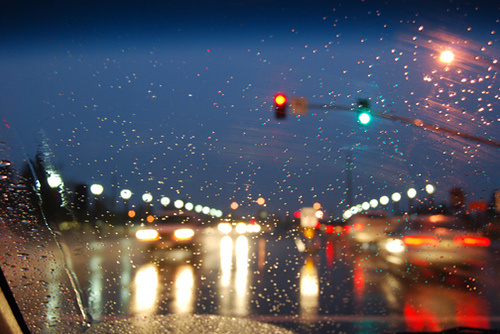
We've all heard that refrain and variations of it dozens of times.

"Be careful driving, it's slippery out when it rains."

"The snow's coming down hard, stay alert out there."

"It's dark out, pay attention to the roads."

Of course, those statements are all true. When it's raining, snowing, sleeting, or dark out, you should certainly stay alert and drive slowly and carefully.

But what about when it's the middle of the day, it's dry out, and the sun is shining? No need to be cautious then, right?

Think again.

NHTSA statistics show that surprisingly, most accidents happen during the daylight hours in normal weather conditions. In 2010 (the most recent year with data available), there were nearly 15,000 road fatalities in daytime under normal weather conditions. In contrast, there were around 2,000 in the rain both during the day and night and around 750 in the snow including day and night hours.

Why is driving in perfectly bright weather conditions on roads that aren't slippery or wet dangerous?

safepace 100 cruiser lt speed trailerPerhaps because people tend to let their guard down and assume they don't need to be particularly alert when there are no weather or lighting issues affecting the roads.

It's during these hours that traffic calming is the most important. Speed trailers, radar signs, or flashing beacons are all effective in reminding drivers to focus on the roads, even when there is no apparent danger. Speed humps, tables, and cushions compel drivers to slow down and save lives in the process.

When everything seems fine and drivers forget to focus on the roads, traffic calming makes sure they drive safely. Radar signs or speed humps on your roads can help avoid accidents before they happen.

Tuesday, August 7, 2012

The Traffic Calming Formula: Safer roads = Better driving = Less accidents = Fewer deaths


SafePace 400 speed display sign
Traffic Logix SafePace 400 Speed Sign
NHTSA released an early estimate of traffic fatalities for the first quarter of 2012, with frightening results. An estimated 7,630 people died in car crashes during these three months, an increase of 13.5% compared to the first quarter of 2011. The miles traveled increased as well, but only by 1.4%, certainly not accounting for the 13.5% increase in fatalities.

If these projections are realized, this will indicate the second largest increase in fatalities since NHTSA first started recording traffic fatalities in 1975. The largest increase in fatalities was in the first quarter of 1979 with a 15.3% in the number of traffic related deaths.

The 2012 increase in fatalities is following a historic downtrend in traffic fatalities over the past few years.

Were the increased fatalities due to texting while driving? Long stretches of road inviting drivers to speed? Younger, less experienced drivers? Tired driving?

Traffic Logix rubber speed hump
Traffic Logix Rubber Speed Hump
Whatever the cause of the increase in fatalities, creating safer roads is critical to prevent fatalities going forward. Traffic calming is key in preventing accidents. Study after study on speed humps, radar speed signs, and other traffic calming solutions all lead to the same conclusion: traffic calming reduces accidents, and when they do happen, reduces the severity of the outcome.

Solutions such as speed humps that compel drivers to slow down, or speed display signs that return driver focus to the road, are integral to protecting drivers, passengers, and pedestrians.

Safer roads = Better driving = Less accidents = Fewer deaths

Together we can save lives.

Friday, July 27, 2012

Military Traffic Calming

Military and air force bases often use traffic calming to ensure healthy flow of traffic and to protect military professionals and their families. Traffic Logix solutions have been installed in tens of military, air force, and navy bases both in the US and abroad. The solutions most purchased by military bases are our rubber speed humps, rubber speed tables, and SafePace 100 low-cost speed signs.

Our rubber speed humps are often used to enhance gate security at military bases, compelling drivers to slow down as they drive over the humps toward the entrance gate. The flat-topped speed tables are a popular choice for military traffic calming on base roads. The rubber speed tables slow vehicles less aggressively than speed humps or bumps, allowing traffic to continue to flow at 20-30 mph. Traffic Logix rubber speed humps and speed tables are both GSA approved and can be purchased by military bases at discounted GSA rates.

The bestselling SafePace 100 speed sign is also a popular choice on military and air force bases due to its low cost and  portability. The compact speed sign displays vehicle speed in brightly lid LEDs, reminding drivers to stay alert and slow down. A user-friendly software interface lets you program the sign including choosing at what speed the sign digits or built in strobe light should flash to warn drivers.The lightweight speed sign is energy efficient and offers optional battery power that allows the sign to function autonomously for 2-4 weeks.Universal mounting brackets can be installed on several poles, allowing you to rotate the sign for use at multiple locations.

Traffic Logix also offers flashing beacons and school zone flashing signs that can be used to protect children at military base schools. The beacons and signs can be programmed to operate only during school hours and include 365 day scheduling so you can specify when and how they operate. Flashing beacons and school zone signs have been shown to significantly decrease traffic around schools, protecting children as they arrive and depart from schools.


Traffic safety is a growing concern on military roads. Military traffic calming can help make your base a safer place.